Global Faith Actors and the Road to Pandemic Recovery
25 May 2022 | Event

In light of the Second COVID-19 Global Summit hosted by the White House, Faiths4Vaccines, USAID, and the Department of State co-hosted a roundtable, “A Collective Journey: Faith Actors and the Road to Pandemic Recovery,” on May 12. Global faith actors and other stakeholders serving on the frontlines of the pandemic response and recovery drew from local experiences to examine best practices, policy insights, and programmatic opportunities to innovatively address the pandemic and its second-order impacts, placing an emphasis on food security and disrupted education.
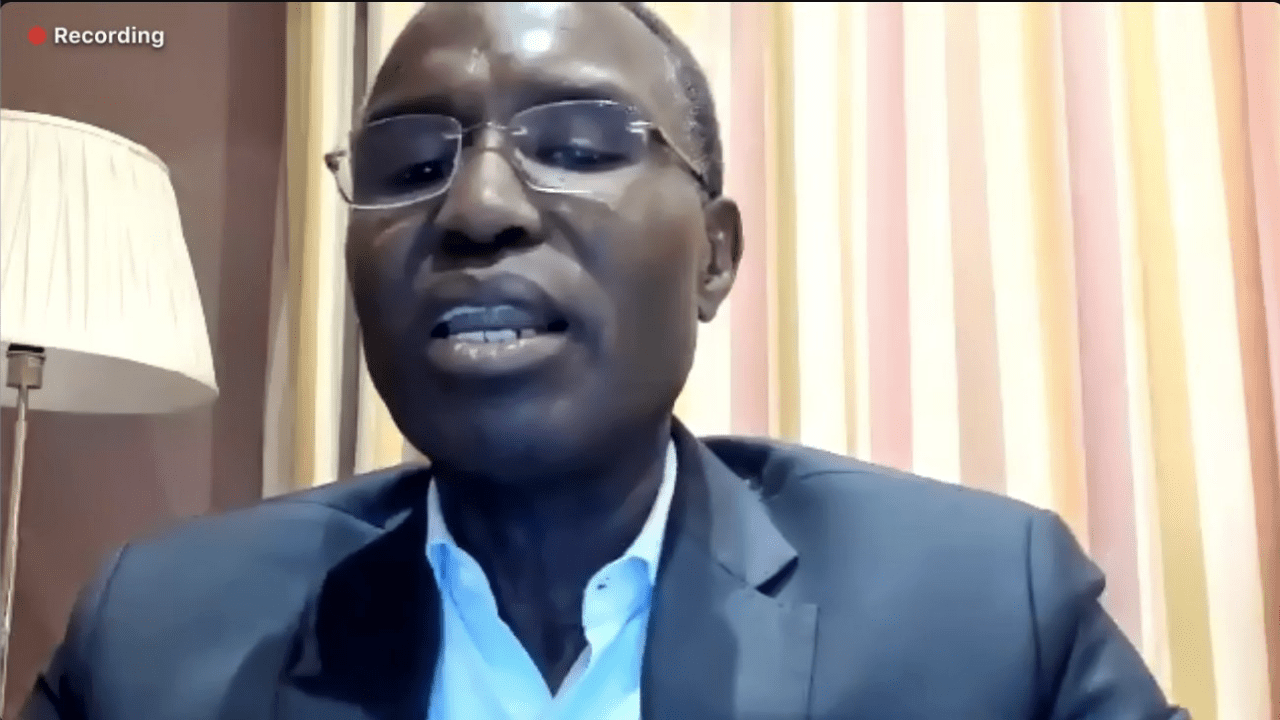
Dr. Mohamed Elsanousi, Executive Director of the Network for Religious and Traditional Peacemakers and Co-Founder of Faiths4Vaccines, opened the event by welcoming participants and emphasizing the importance of interfaith collaboration to achieve global herd immunity. Despite continued challenges to advancing global vaccine equity and uptakes, such as misinformation, hesitancy, and lack of access, faith communities and leaders have taken an active role to combat these challenges.
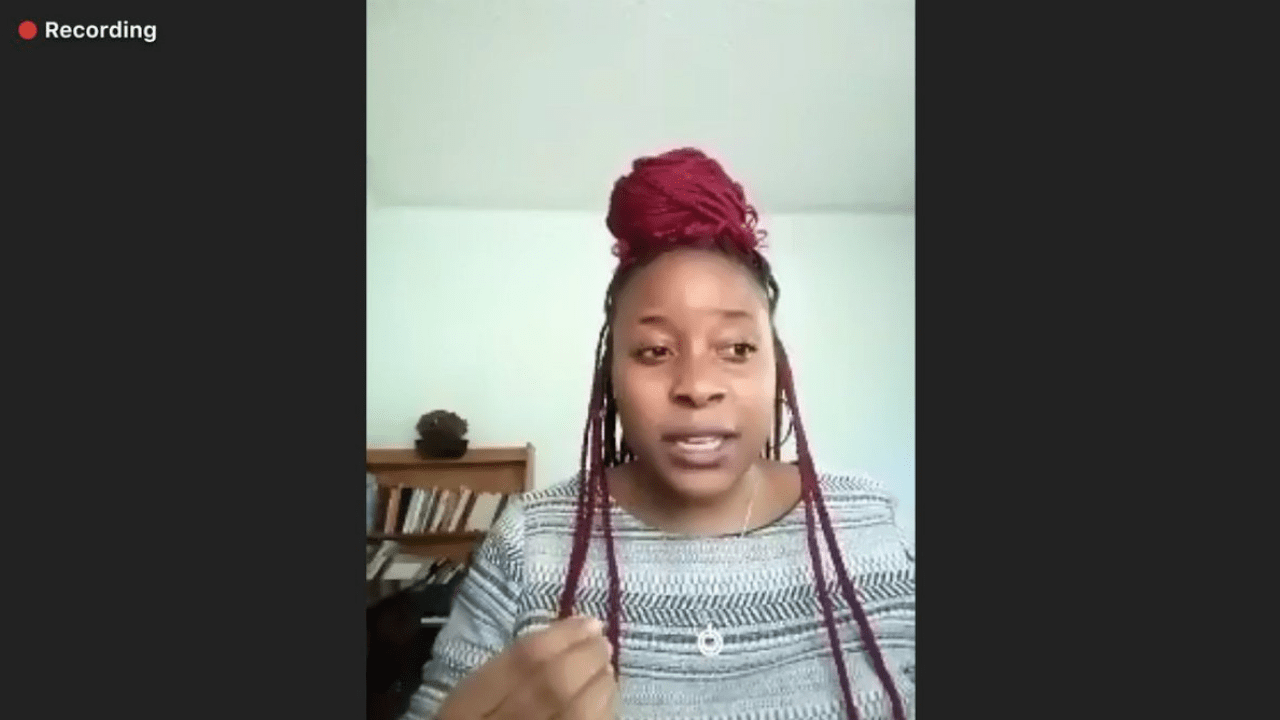
To further speak on inter-and-intrafaith collaboration, Rumbidzo Gunduza from Zambia performed her inspiring spoken word poem, Count the Cost, calling on communities to join hands to devise solutions to combat the pandemic. “It is an individual’s moral responsibility to act in the best interest of others. Where there is community, there is security.” Ms. Gunduza’s words offered hope and challenged listeners to reflect on the responsibility to care for one another.
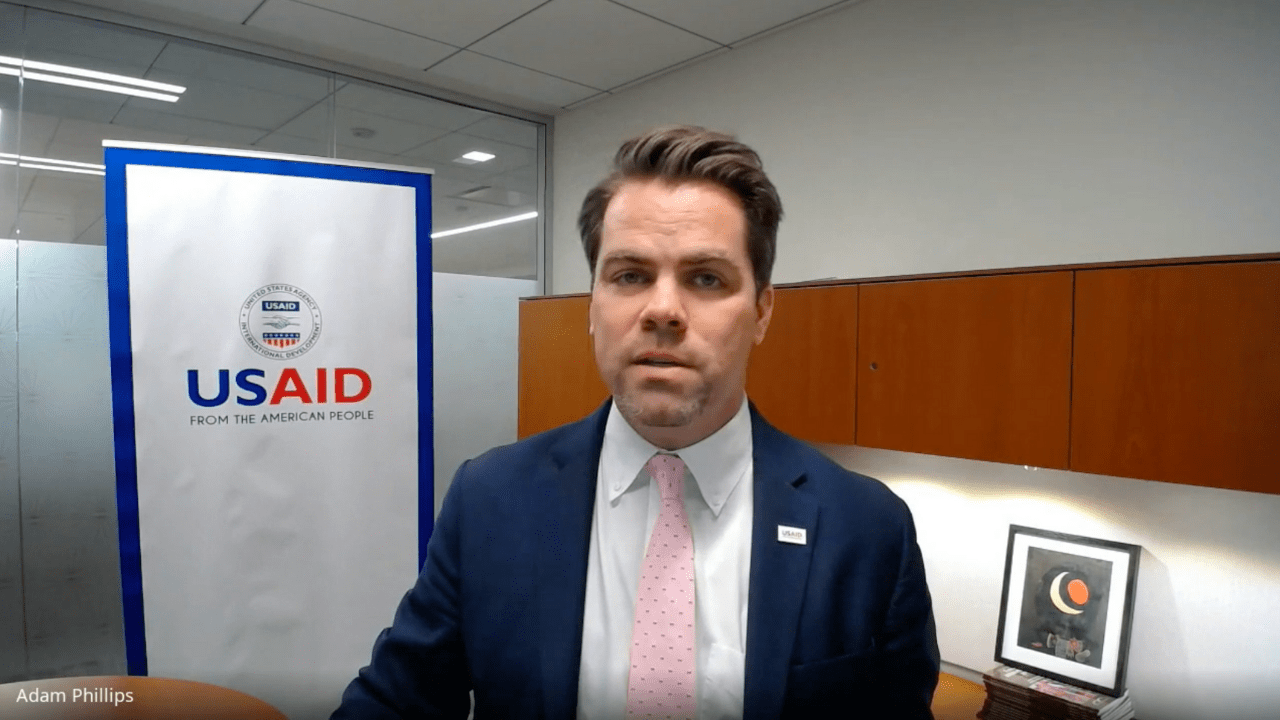
Reverend Adam Phillips, Director of the Center for Faith-Based and Neighborhood Partnerships and the Local Faith and Transformative Partnerships Hub at USAID reflected on the millions of lives lost from COVID-19, in the United States, and around the world. USAID has been working with faith leaders and faith communities to address the virus and reduce the secondary impacts of COVID-19, as demonstrated in the collaboration between USAID and Faiths4Vaccines. Mr. Phillips concluded his remarks by emphasizing the need for further funding from Congress to continue these efforts.

Reverend Jim Wallis, Chair of the Centre for Faith and Justice at Georgetown University and Faiths4Vaccines Core Group member, then spoke on the disproportionate impacts the COVID-19 pandemic has had on marginalized populations and the imperative role of faith actors to identify and address these inequalities.
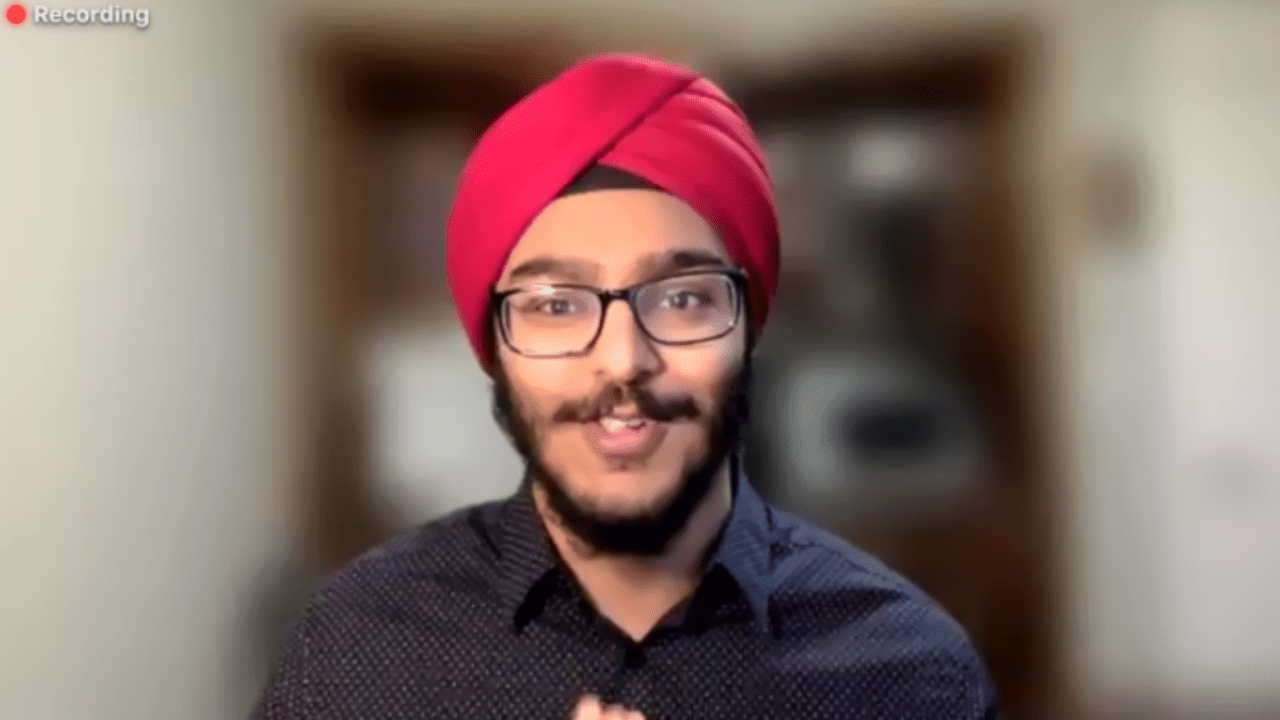
The first panel of the roundtable was moderated by Abhay Singh Sachal, Co-Founder and Executive Director of Break the Divide, and included panelists Archbishop Thabo Makgoba, South African Anglican Archbishop of Cape Town, and Jigme Konchok Lhamo and Jigme Yeshe Lhamo, the Kung Fu Nuns from Nepal.

Kungfu Nun, Jigme Konchok first shared that only the government of Nepal is allowed to give out vaccines in the country. The first stages of vaccine distribution were organized by age [elders first] and are still ongoing as younger people are now allowed to receive the vaccine. Although the vaccination rate seemed positively high, with approximately 76% of people vaccinated – Konchok emphasized that the lack of education and misinformation about the vaccines still posed barriers to vaccinating all. There are also disproportionate impacts of COVID-19 on certain populations. Women, in particular, struggled with maintaining proper menstrual hygiene without the availability of proper resources. Knowing the adverse effect of the pandemic on their community, the Kung Fun Nuns took action to protect their community, making and distributing masks, distributing food, sharing information on COVID-19 prevention, educating others about the health and safety of vaccines and helping women maintain their menstrual health and hygiene through the creation of biodegradable feminine products. As leaders within their community, the Nuns were able to help get 90% of the people they engaged with to receive second doses of vaccinations, largely in part due to the trust that was built among community members.
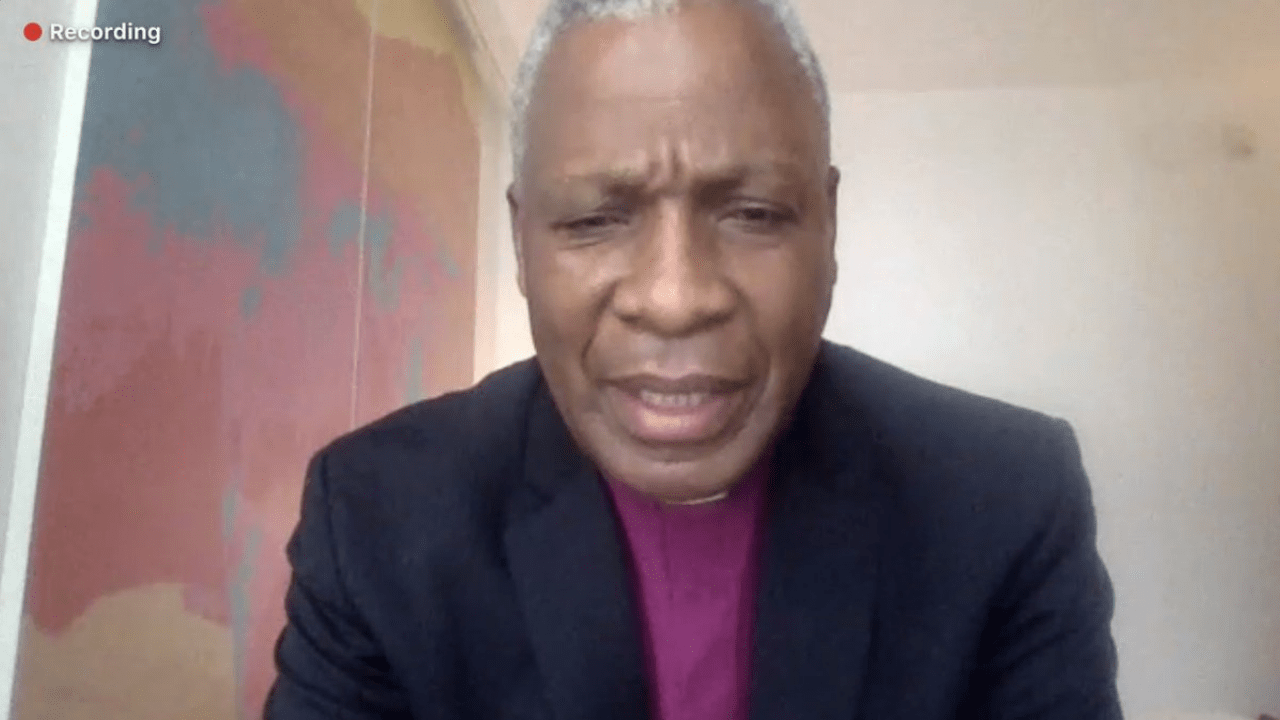
Archbishop Thabo spoke on the context of Sub-Saharan Africa, noting that lack of public knowledge on the vaccine and misinformation has further accentuated hesitation toward receiving the vaccine. He advised religious and faith leaders to really think about the common good of the people, getting deeper into community conversations to discover tangible solutions.
Mr. Sachal shared how his Sikh faith has inspired him to work alongside other faith communities to help others receive the life-saving COVID-19 vaccine. “If there is no “other” then there is no one to hate, there is no one to fear, and ultimately, we must work together on these issues from a place of unity.”
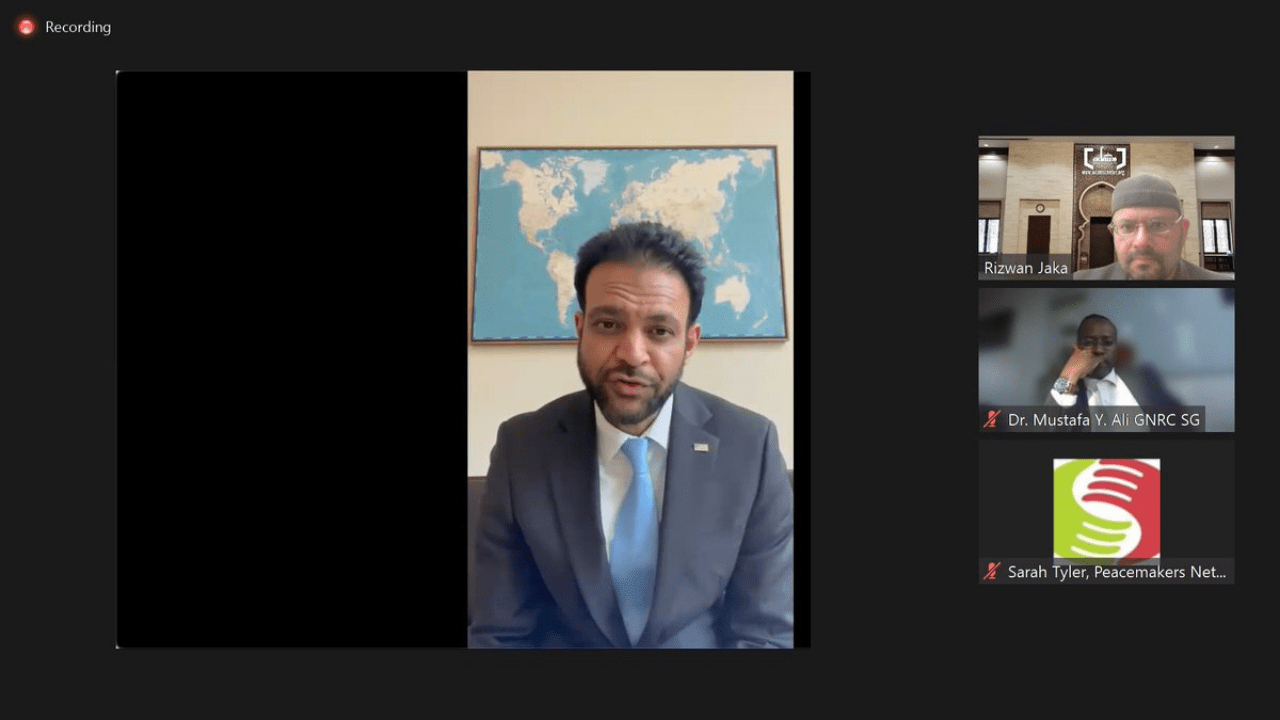
To set the stage for the second panel, Rashad Hussain, Ambassador at Large from the Office of International Religious Freedom recognized the important collaborative and inclusive efforts from interfaith partnerships to tackle this global health challenge. As COVID-19 vaccination rates have slowed since the start of the pandemic, Ambassador Hussain emphasized that we need to redouble our efforts to redirect government, religious actors, and unvaccinated populations toward health protection with vaccine advocacy. Religious actors are crucial messengers in advocacy efforts, especially in communities with a lack of trust in political leaders.
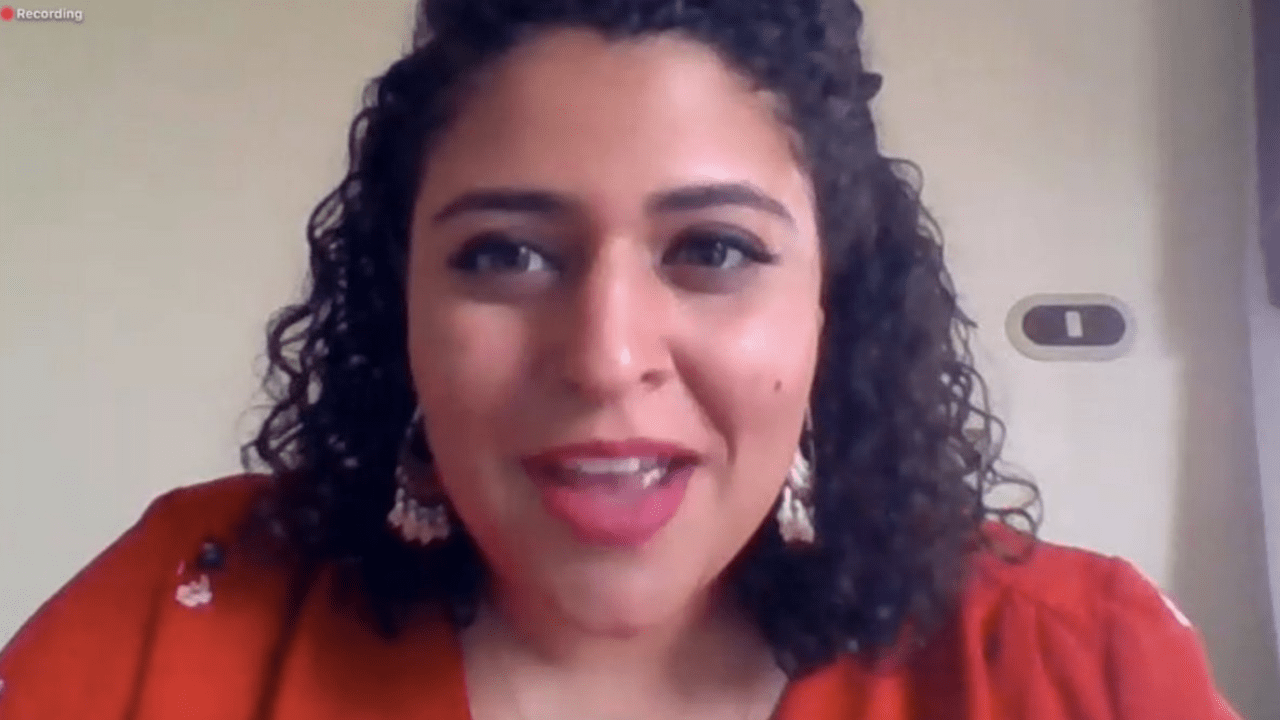
Merette Khalil, Health Systems researcher at the World Health Organization (WHO), guided the panel on the topic of second-order impacts and the importance of a multi-stakeholder approach. It is recognized with equal importance that the pandemic’s second-order impacts are having immediate consequences on local communities and are creating a dire need for both humanitarian and peacebuilding responses and leadership around the world.
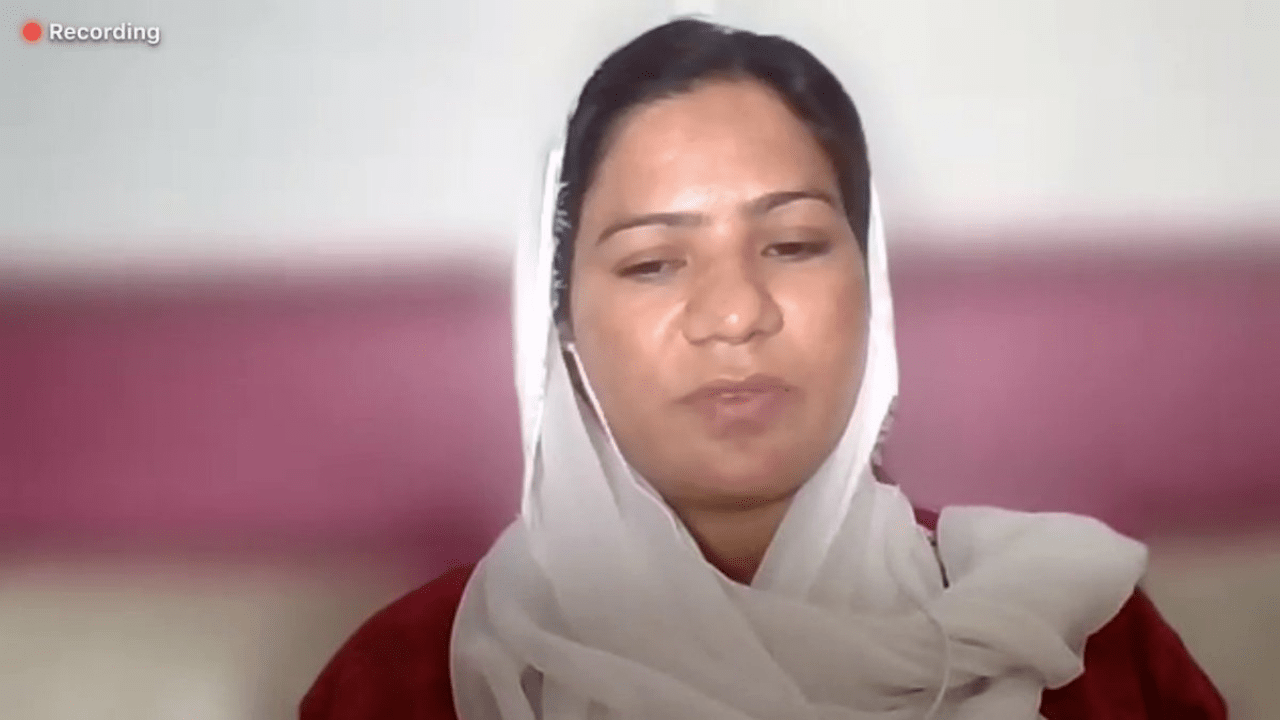
Around the world, education was disrupted for millions of children due to school closures. While some students were able to continue learning at home, others experienced a detrimental impact on their education, and many have yet to return to school. This is especially true in rural and underprivileged communities. As a leader in her community, Sister Zeph, Founder and President of ZWEE Foundation, applies her influence in promoting girls’ education and women’s empowerment in Pakistan. Sister Zeph spoke about the disproportionate impact the pandemic has had on women and girls and their access to quality education. Disrupted education, in turn, has also contributed to health inequalities and the prolongation of the pandemic, as individuals do not have access to reliable information on the COVID-19 vaccine, and are further susceptible to misinformation and disinformation.
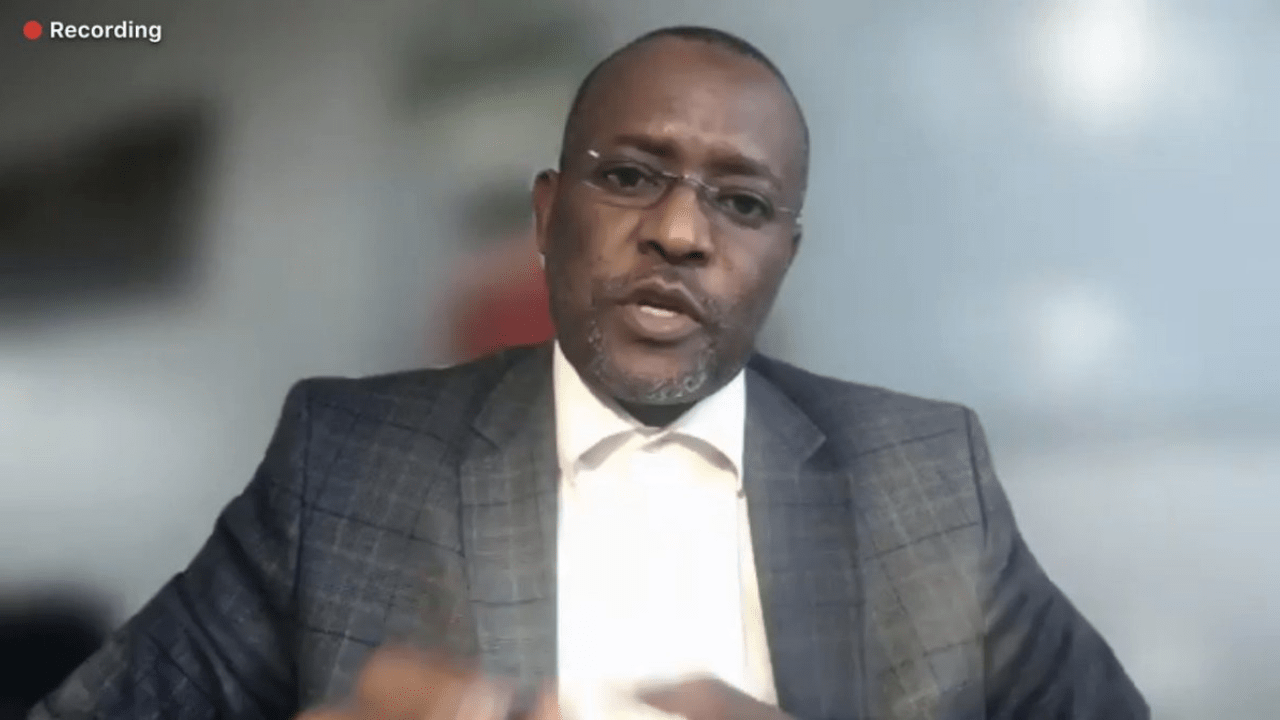
Dr. Mustafa Ali, Secretary-General of the Global Network of Religions for Children, shared that like many countries around the world, the pandemic has greatly disrupted education and the health and well-being of communities. As students left their schools and turned to online learning, limited technology and internet connections prohibited students from receiving proper education, especially in rural communities. The closure of schools also affected children who went in for regular meals which further incentivized food insecurity for children and families who depend on schools for basic survival necessities. Prior to the pandemic, about 85% of people living in Nairobi were food insecure, and the pandemic has made matters much worse. In return, faith leaders can advocate for safe and equitable distribution of COVID-19 vaccines in vulnerable communities, to ensure that all have access to health improvement.
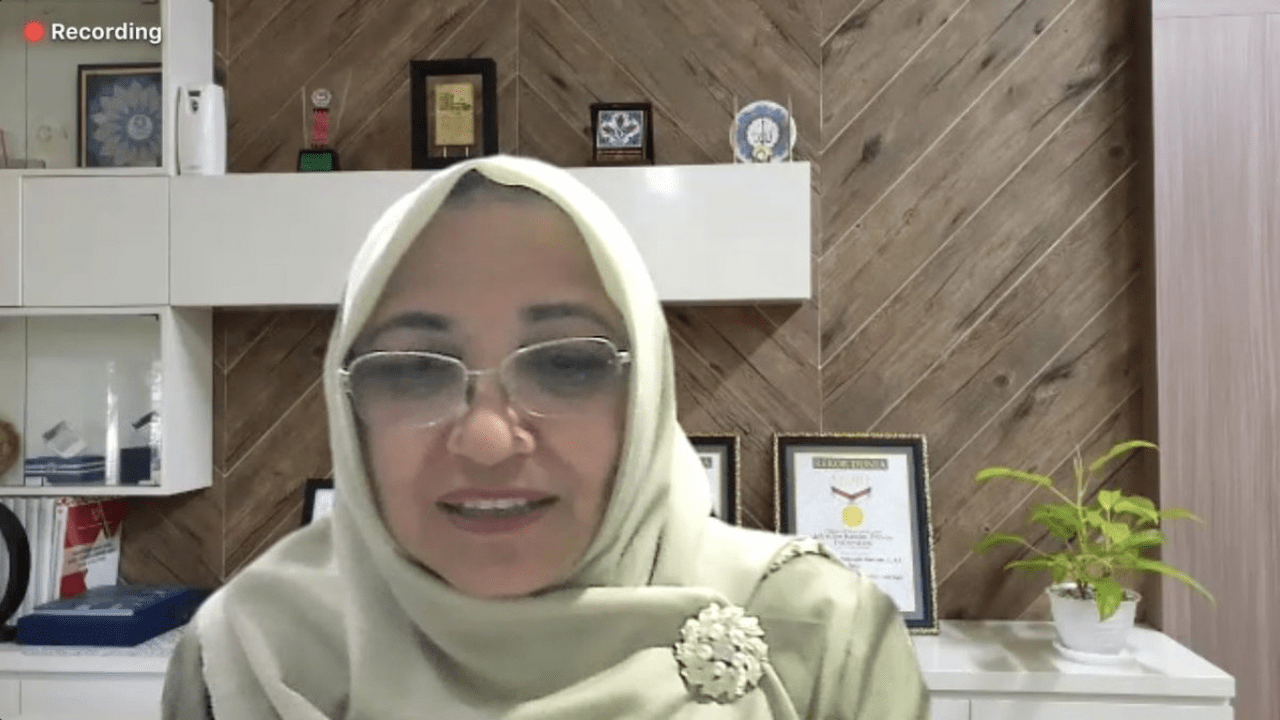
Dr. Amany Lubis, President of Syarif Hidayatullah State Islamic University, concluded the session by offering insights and examples of how faith members, medical professionals, and governments in Indonesia and the wider Southeast Asia, have engaged in COVID-19 response and recovery. Collaboration with different sectors of society such as the faith community, and medical and educational institutions is key to solving complex problems. Dr. Lubis shared about her efforts with students and teachers at her university to promote vaccine intake. She highlights the importance of multi-sectorial approaches to combat the pandemic and having a whole-of-society approach in the recovery process by involving roles of entrepreneurs, business leaders, educational leaders, and health leaders.
Advocacy Tweets
“Let’s all stand together, hand in hand. Humanity comes first and to be kind to each other.” -The Kung Fu nuns of Kathmandu
— Faiths4Vaccines (@Faiths4Vaccines) May 12, 2022
“Please put people before profit, and commit to funding, globally.” @ArchbishopThabo
— Faiths4Vaccines (@Faiths4Vaccines) May 12, 2022
Girls' education has been affected the most in the world during the Covid-19 pandemic. We must take initiatives to bring back girls to a school who left due to pandemic#pandemic @Faiths4Vaccines @USAID @peacemakersnetw
— Sister Zeph (@SisterZeph) May 12, 2022
2 important recommendations shared by @Mustafa_Y_Ali on how faith leaders can address the 2nd order impacts of the pandemic:
1️⃣ Advocate for equal distribution of vaccines on the global level
2️⃣ Share accurate facts about vaccines to their communities pic.twitter.com/9B52jzUsiF— Faiths4Vaccines (@Faiths4Vaccines) May 12, 2022
Promoting small and medium enterprises working to combat the pandemic is one way faith leaders can foster greater collaboration within communities, shared by Dr. Amani Lobis, pic.twitter.com/WVeEwQvhFP
— Faiths4Vaccines (@Faiths4Vaccines) May 12, 2022